
Introduction
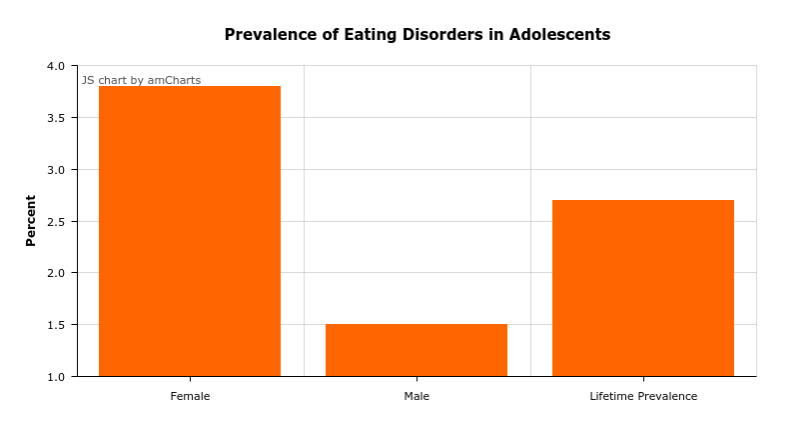
Eating disorders are characterized by an obsessive attitude towards food and weight. These disorders, if left untreated, can become fatal. Eating disorders are more prevalent among women and symptoms often appear in adolescence. Two common eating disorders are anorexia nervosa and bulimia nervosa.
Anorexia Nervosa
Anorexia nervosa causes those that suffer from it to have a distorted body image. They may view themselves as overweight when they are actually severely underweight. Individuals may have an obsession with their diet, monitoring food intake and exercising excessively. Anorexia nervosa has the highest mortality rate of all mental disorders, with many dying of either starvation or suicide. However, total recovery is possible.
Symptoms
- very restricted diet
- extreme thinness
- obsession with diet and exercise to maintain thinness
- distorted self-image
- resulting symptoms can include: brittle bones, hair loss, increased tiredness, and organ damage
Causes
- genetic history: those with close family members diagnosed with anorexia may be at an increased risk
- brain activity: those diagnosed with anorexia have differing brain activity than healthy individuals
- environment: traumatic events, abuse, and adversity have been reportedly experienced by those diagnosed with anorexia
Treatment
- psychotherapy: cognitive behavioral therapy (CBT) can help sufferers recognize and combat harmful thinking, and family-based therapy allows parents of adolescents to participate in the recovery process
- medication: medications such as antidepressants can be prescribed to help with co-morbid disorders
- nutritional counseling: this can help sufferers achieve healthier diets
Bulimia Nervosa
Bulimia nervosa, like anorexia, causes sufferers to have a distorted body image. Individuals will also have reoccurring periods of uncontrollable binge-eating and purging. Purging may entail forced vomiting and excessive intake of laxatives. Other ways of compensation may include excessive exercise or starvation. Unlike anorexia, those with bulimia may be underweight or overweight.
Symptoms
- binge-eating
- purging or compensation
- inflamed or sore throat
- distorted self-image
- tooth decay
- gastrointestinal issues
- extreme dehydration
Causes
- genetic history: those with close family members diagnosed with bulimia may be at an increased risk
- brain activity: those diagnosed with bulimia have differing brain activity than healthy individuals
- environment: traumatic events, abuse, and adversity have been reportedly experienced by those diagnosed with bulimia
Treatment
- psychotherapy: cognitive behavioral therapy (CBT) can help sufferers recognize and combat harmful thinking, and family-based therapy allows parents of adolescents to participate in the recovery process
- medication: medications such as antidepressants can be prescribed to help with co-morbid disorders
- nutritional counseling: this can help sufferers achieve healthier diets
 Mind Over Matter